
— Project · Disability & Belonging
Disability, Healing & Belonging.
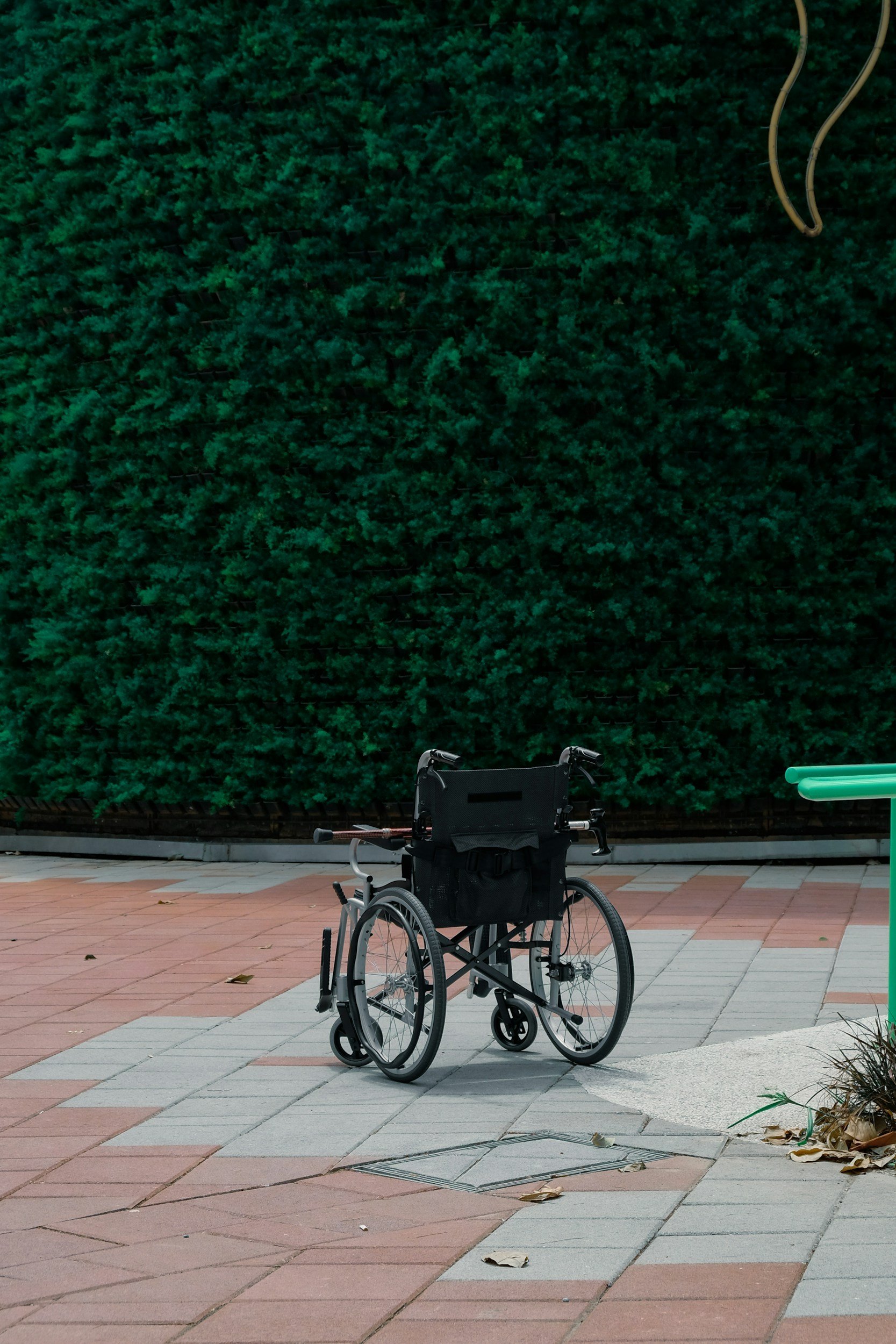
Research exploring the intersection of disability, theology, healing, and ecclesial belonging within Latino Pentecostal churches — asking what faithful belonging looks like when healing does not come in the way we were taught to expect.
What happens when churches develop strong theological practices for praying for the healing of disabled people — but give far less attention to creating communities where disabled people fully belong?
This research moves beyond physical accessibility. Ramps matter. Accommodations matter. Accessible programs matter. But belonging asks something deeper. Are disabled people recognized as full members of the Body of Christ? Are their gifts needed? Can they lead, serve, teach, participate, and help shape the theological life of the church?
A developing concept
Spiritual Ableism.
An important part of this research is developing the concept and a framework of spiritual ableism, examining the ways Christian theology, language, preaching, prayer, worship, and congregational practices can make nondisabled bodies and minds the assumed spiritual norm.
While the phrase "spiritual ableism" may have appeared previously in disability-activist and spiritual-community discourse, Dr. Ríos seeks to develop it as a distinct theological construct for analyzing how doctrines, ecclesial practices, and cultures of healing make disabled people’s belonging contingent upon cure, independence, productivity, or demonstrations of sufficient faith.
Spiritual ableism does not require bad intentions. A church can sincerely love disabled people while participating in theological practices that communicate that their bodies or minds are problems to be fixed. That is part of what makes this work necessary.
From welcome to belonging.
The movement
01
Welcome
Asks whether you can enter our community.
04
Participation
Asks whether you can take part in the life of the church.
02
Access
Asks whether you can move through our space.
05
Belonging
Asks whether we can fully understand ourselves as the Body of Christ without you.
03
Accommodation
Asks whether we have made room for your needs.
The personal story behind the research
My silent prophet.
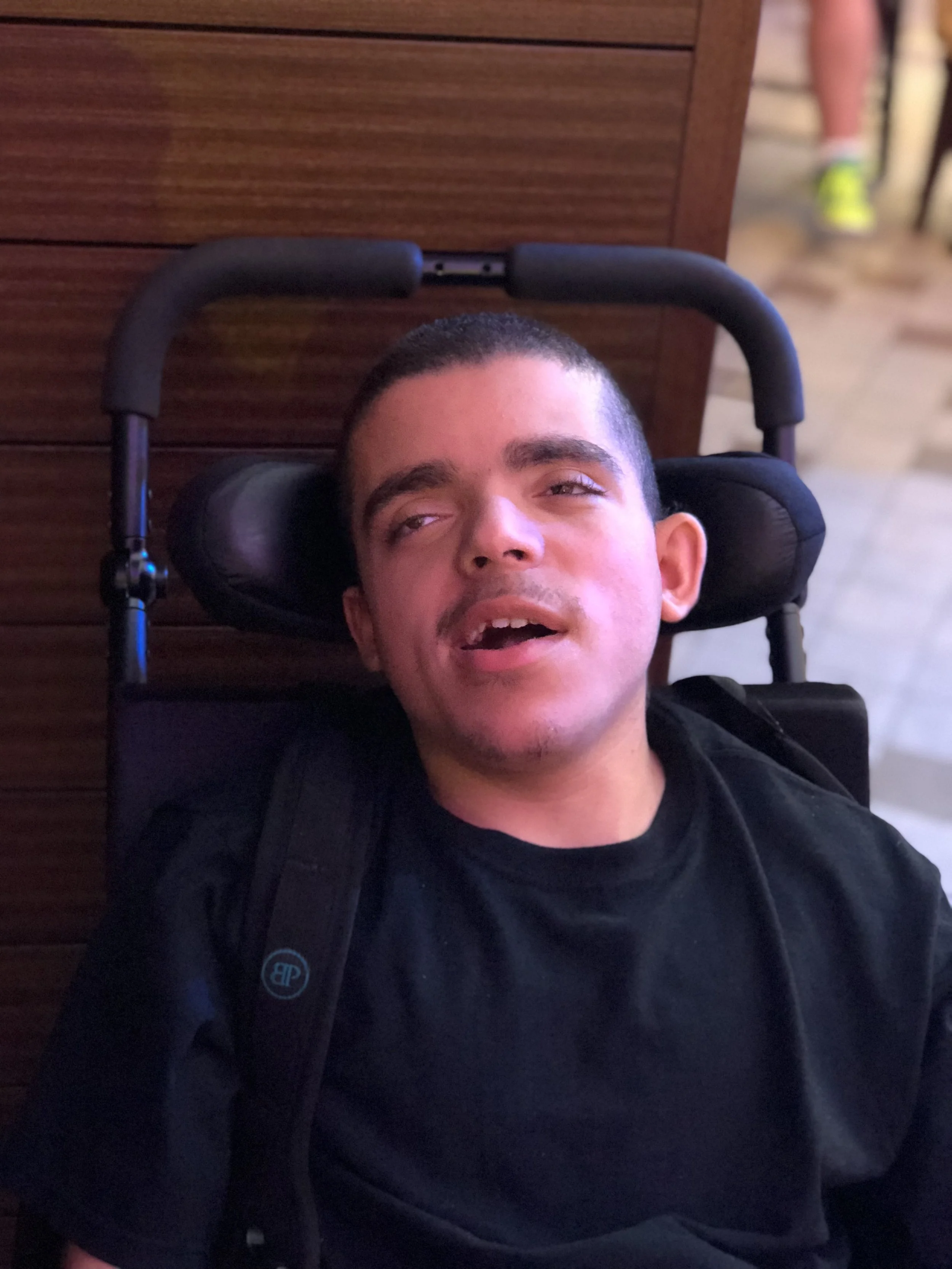
My son, Daniel Jeremiah “DJ” Ríos, lived for 22 years with significant disabilities due to hospital negligence after his premature birth at 26 weeks. He was nonverbal and communicated with the world differently than most people around him. Yet DJ became one of my greatest theological teachers. I called him my “silent prophet.” In my research I see him as my co-theologian.
He never preached a sermon, but his life preached to me constantly. DJ taught me about dignity that does not depend on productivity — about presence, dependence, community, joy, grief, and a kind of love that refuses to measure human worth by what someone can produce, say, accomplish, or give back.
After Daniel died in 2022, I knew that honoring his memory meant carrying forward what his life had taught me. Along with establishing the Daniel Ríos Memorial Fund, I began this research as an act of scholarship, calling, and love. It is my love letter to DJ, my silent prophet.
Interested in connecting?
Tell me your story.
Share only what you are comfortable sharing at this stage.